

There is a distinct, rhythmic click-clack that echoes through the deepest chambers of my memory. For the current generation, it is merely the mechanical sound of a local train cutting through the humid air of the Western or Central lines. But for me, if I close my eyes and breathe in the saltheavy air of the post-independence Bombay that raised me—a city throbbing, raw, and electric with the spirit of an emerging India—that sound transforms. It slows down. It becomes the sharp, mathematical heartbeat of an Edakka drum echoing in the quiet, focused backstage of theatres; it becomes the fierce, cadence-driven voice of V. K. Krishna Menon rising over the packed public grounds of North Bombay. Most of all, it becomes the steady, comforting hum of the coffee grinding machinery and the sensory richness of tea leaves at my father’s retail outlets. That was my father’s kingdom—not a collection of tea parlors or making cups of tea, but an enterprise built on taste. Receiving massive consignments directly from the Churakulam Tea Estate, he dealt with premium varieties of tea powder and freshly grounded coffee. He was an absolute master of the craft, meticulously blending specific proportions of Broken Orange Pekoe and Gold Dust to cater precisely to the era’s taste for a perfect cup—one that possessed an exquisite body, deep color, and robust liquor for whoever brewed it. At the same time, his heavy machinery grounded coffee beans to order, customized flawlessly to match the exact texture needed for the perfect, traditional filter coffee.
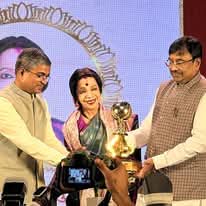
With three iconic retail outlets strategically situated across Shivaji Park, Princess Street, and Kalbadevi, my father’s commercial footprint was inseparable from the daily lives of the city’s inhabitants. Yet, our home was defined by a profound sense of refinement and an overarching love for literature. My father was a brilliant linguist and a dedicated scholar, and it was his intellect and deep appreciation for the written word that awakened my own path. He immersed me early on in the beautiful world of books, inspiring my lifelong commitment to writing and analytical scholarship.
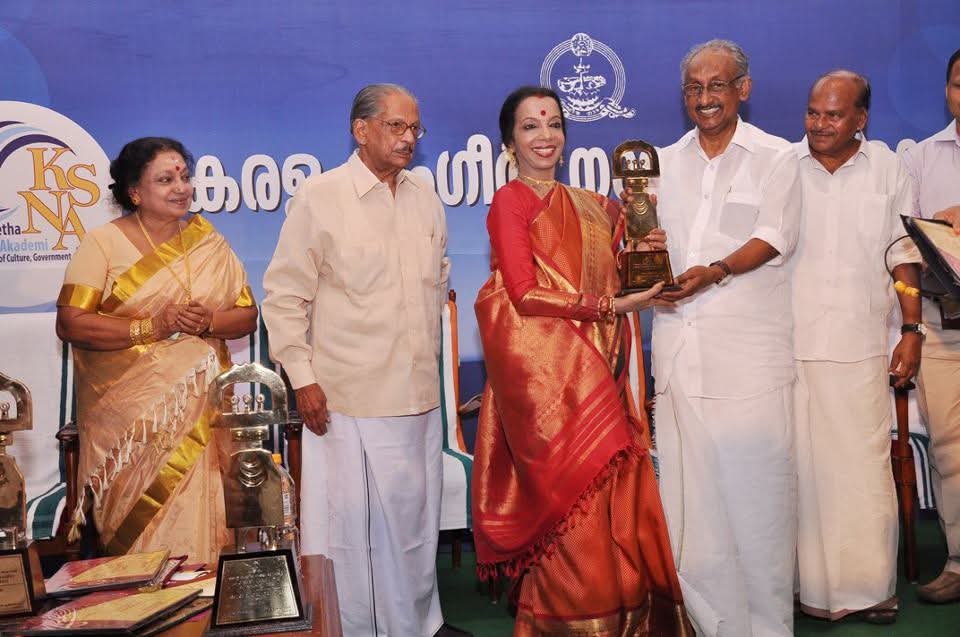
Around our dinner table, the air was permanently thick with the rich aroma of roasted coffee, the subtle fragrance of blended tea leaves, the sharp scent of wet paint drying on Kathakali ornaments, and the fiery, smoke-filled intellectual debates of traveling artists, writers, and community stalwarts. Our house became a sanctuary, a living consulate, the ultimate converging point where the members and artists of the Bombay Keraleeya Samaj came to rest. It was through these very eyes—watching quietly from the corners of crowded rooms, listening to the clinking of teacups, and peering through the heavy velvet wings of grand stages—that I first became aware of the monumental world being forged around me.I did not merely witness history; I evolved within its very skin, shaping the fragile architecture of my own personal identity through these intimate interactions, and slowly awakening to the immense, beautiful miles I myself was destined to travel. The early Pravasi Malayalis who stepped onto the soot-stained platforms of Victoria Terminus and Dadar did not come here merely to find an obscure corner to survive. They arrived with an audacious desire to stand out, choosing to kiss the concrete jungle of Bombay, hold it close, and re-engineer its fierce heart using the gentle, swaying aesthetics of Kerala’s fine arts.
To truly feel the Bombay I knew, one must understand how a community wrapped its arms around its own. When a young migrant left a quiet village in Palakkad, Alappuzha, or Travancore in the 1950s and 60s, they boarded a train into a terrifying, vast unknown. They arrived with nothing but cardboard suitcases, high literacy rates, and empty pockets. In a city driven by the relentless, crushing machinery of textile mills and corporate banking, they could have easily been swallowed whole. But the pioneers who came before them had already built an invisible, unbreakable net of human dignity….
To read more click on the link below
http://keralainmumbai.com/wp-content/uploads/2026/08/text_to_pdf_Imagetotext-1.pdf
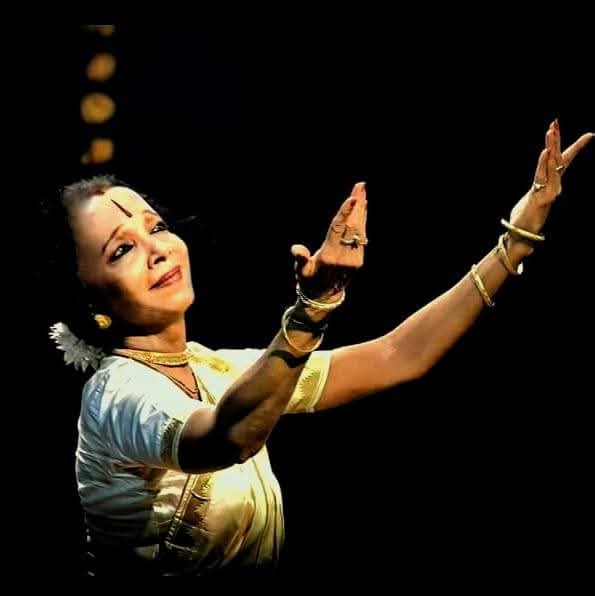
Kalashri Dr Lata Surendra
Kalashri Dr Lata Surendra is a renowned Bharatanatyam Exponent, Teacher Choreographer Writer Curator, Independent Researcher,Dance Journalist and in the field for over Six and Half Decades