

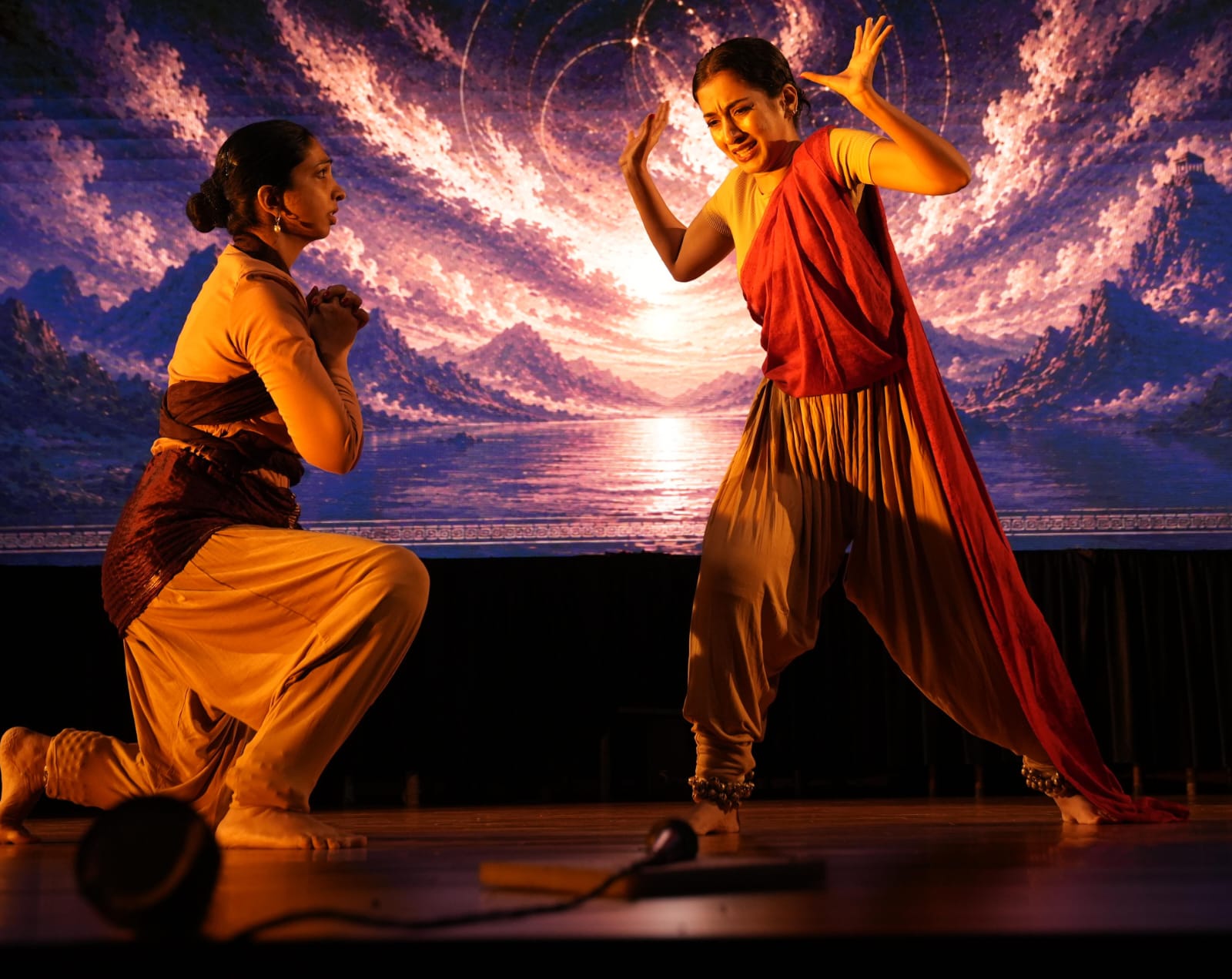
Production: Ritamotsav 2026
Heroic Echoes ( where Katha meets Mythos,)
Concept & Choreography by Dr Parinita Shah
Venue: The Mysore Association, Mumbai
By Ritam School of Performing Arts
Date: September 6, 2026
Lights :Shri Saurabh Tawde
Pic credits : Prafull Ghhatvisave
A production directed, produced, and choreographed by Dr Parinita Shah, assisted by Aadhya Naik and Samrudhi Mehta, brought to life an ambitious evening titled “Heroic Echoes… “where Katha meets Mythos.” Staged at the Mysore Association by the founder Dr Parinita Shah of Ritam School of Performing Arts )
Ritamotsav 2026, the presentation attempted a comparative study through “interpretatio graeca”—interpreting foreign gods through Greek frameworks. Coinciding with Teacher’s Day, the entire event was a true celebration of the sacred bond between shishya and guru, drawing a warm, interactive audience filled with parents, grandparents, and well-wishers, alongside distinguished presiding guests. Dr Ganesh Chandanshive ,Pandit Kalinath Mishra . The stage lit up with talent from every single age group, showcasing the sincere and adorable bonding between a charismatic mentor and her dedicated disciples. Dr Parinita beautifully gathered every little flower from her institution, using their individual presence in the best possible way to give concrete form and content to her creative imagination. Backing this vision was a highly imaginative musical arrangement, partly composed and recorded with Pandit Kalinath Mishra at his creative best, providing an evocative acoustic backdrop. Complementing this structural rhythm, the experienced lighting design by Shri Saurabh Tawde transcended mere technical illumination. It became a fluid poetry of lighting that perfectly enhanced the divine Leelas of Shri Krishna and underscored the intense combats and diverse hurdles faced by the Hellenic Heracles.
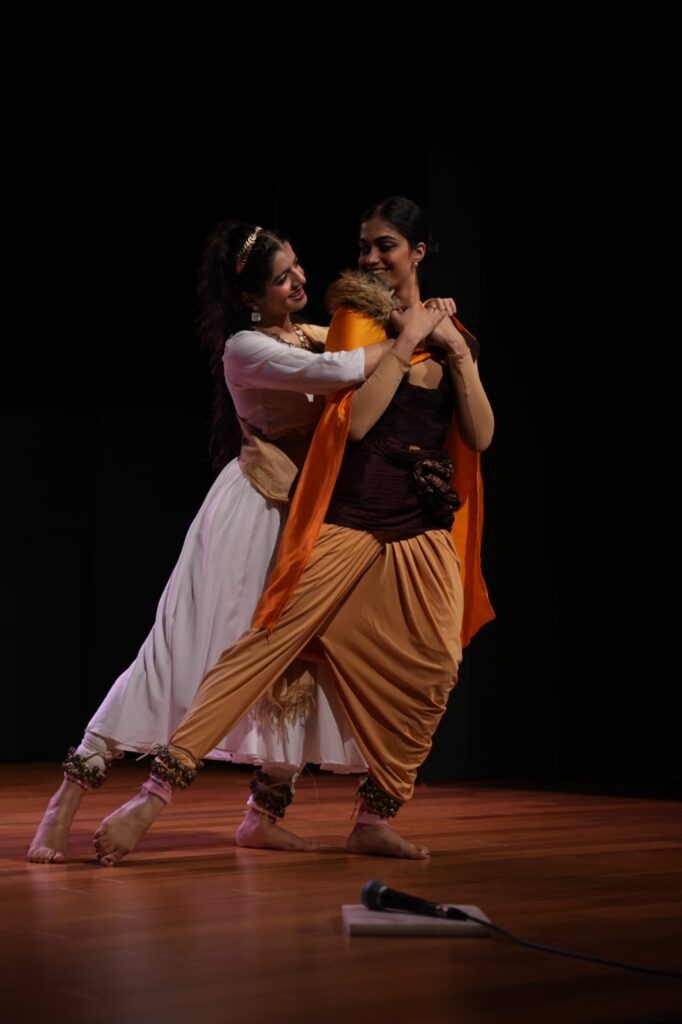
The choreography traced fascinating outer lifelines and historical parallels between the two figures, mapping the distinct stages from birth to ultimate transformation. The presentation journeyed through the toxic antipathy encountered at birth—the cruel captivity of Kamsa on one side and the wrath of Hera on the other. It visualised the infantile overcoming of deadly serpents, where Krishna executes the Kaliya Mardan within the depths of the Yamuna, while the infant Heracles strangles two serpents in his cradle. The physical manifestations of weight-bearing prowess were echoed in Krishna’s lifting of Mount Govardhan contrasted against Heracles’ labor of bearing the weight of the celestial heavens. Finally, the narrative moved to their climactic triumphs and transformations—the cosmic slaying of Kamsa and Heracles’ overcoming of the Nemean lion to claim his historic mantle. Yet, as a critic and researcher, one must pause and mark the fundamental truth that a true parallel between these two entities cannot historically or theologically happen. Heracles was a mere mortal man who suffered, performed Herculean labors, and endured systemic torment specifically to earn his way into godhood through an afterlife apotheosis. History shows that Western frameworks and their sculptors frequently had to carve man-made forms in gigantic, colossal sizes simply to match the concepts of their gods. In sharp contrast, our culture is rooted in a profound foundation of Dharma-based Karma, which operates on entirely different spiritual axioms.
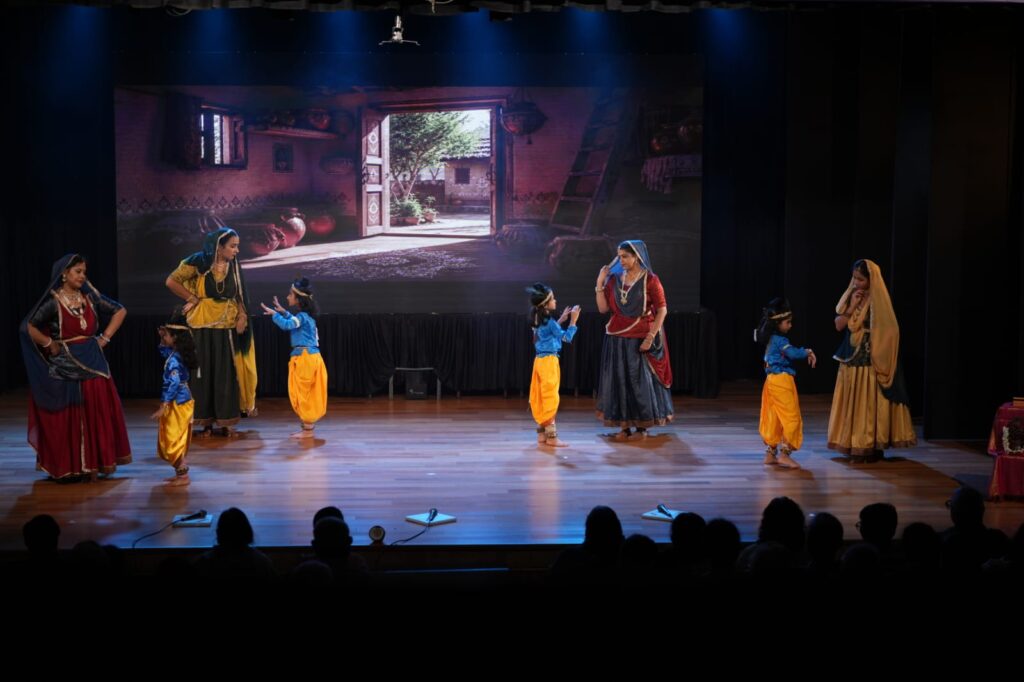
Shri Krishna is not a mortal caught in the web of casual flux, nor is He an individual who heals from a structural or temporal vulnerability. He is the ultimate Cause itself, eternally effecting all effects while remaining untouched by them. He is the Leelamanushya Vigraha—the Supreme Divine who willfully incarnated as Man, descending into the mortal sphere specifically to protect the virtuous, destroy the evildoers, and firmly re-establish the cosmic order of truth and righteousness. This eternal reality is encapsulated in the timeless verses from Chapter 4 of the Bhagavad Gita:
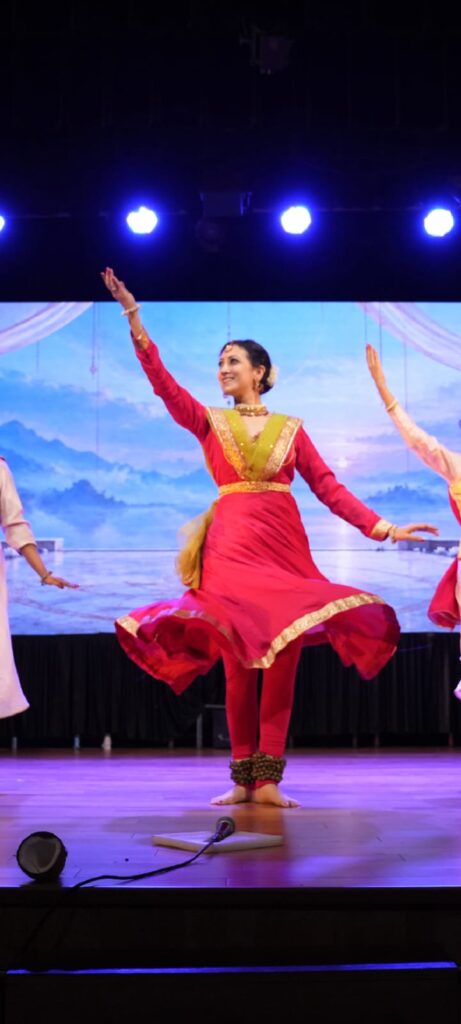
Dr Parinita Shah – Founder of Ritam School of Performing Arts and the imaginative Choreographer
“यदा यदा हि धर्मस्य ग्लानिर्भवति भारत ।अभ्युत्थानमधर्मस्य तदात्मानं सृजाम्यहम् ॥परित्राणाय साधूनां विनाशाय च दुष्कृताम् ।धर्मसंस्थापनार्थाय सम्भवामि युगे युगे ॥”
Therefore, while the outer cross-cultural comparisons provoke theatrical interest, the inner theological engines remain worlds apart. Although it was a lengthy evening, the performance was layered with drama, classical choreography, and a profound element of earnest cuteness from the youngest dancers. It is certain that as these children mature and systematically develop their technical precision, this very same production framework will gather momentum, maturing over time to create a significantly deeper and more resonant impact.
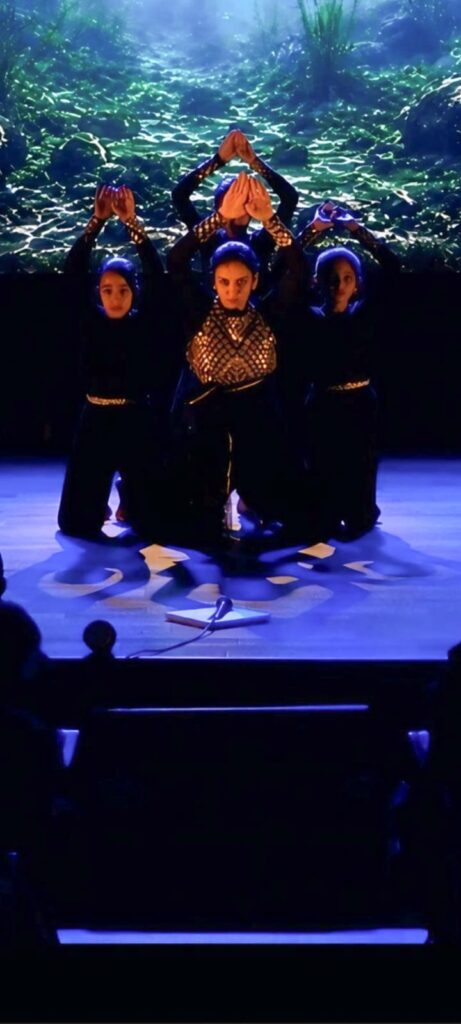
Kudos to the charming Guru Dr Parinita Shah for this unique attempt . and may it set the prelude for many more
A word of advice to the young adorable shishyas :
“Beyond the invaluable guidance gathered from their immediate mentor, it is vital that growing students regularly watch the live performances of established, legendary artists. It is through witnessing these masters that young dancers come to understand how far they must truly journey, allowing them to gather the immense emotional depth and technical rigor required of a genuine sadhana—a spiritual artistic discipline where the ultimate journey at the end is truly, deeply one-to-one.”
Dr Lata Surendra
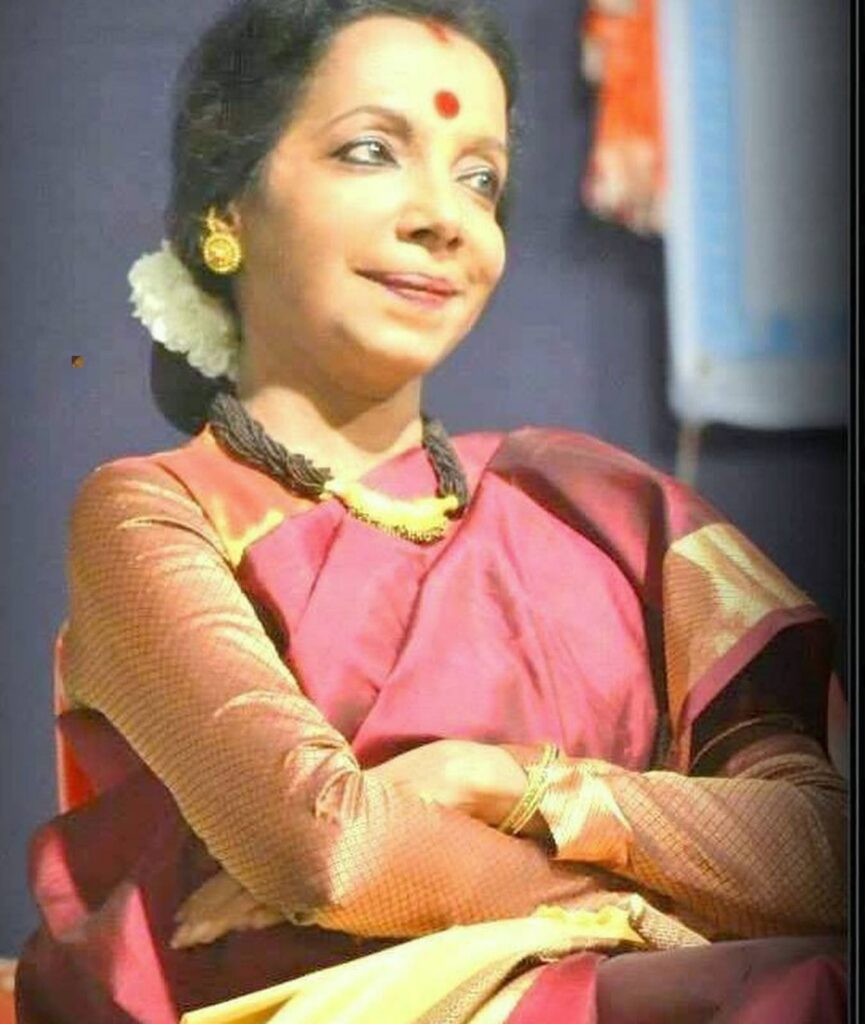
(Bharatanatyan exponent,teacher, Choreographer, Independent Researcher Dance Journalist and poet; a dual state awardee and in field of Dance for over six and half decades)