

Rajendar Menen is a journalist, author and researcher whose work spans healing sciences, HIV/AIDS awareness, street journalism, spirituality and social realities. He has authored several books including the widely discussed Karma Sutra – Adventures of a Street Bum and Rudraksha Power. Over the decades, he has written for reputed international media organisations including the BBC, UNFPA, France 2, Gulf News and several humanitarian projects across India and abroad.
In this candid interview with renowned dancer and art critic Vijay Shanker, Rajendar Menen speaks about his unusual journey into journalism, the emotional burden of street reporting, his fascination for human behaviour, spirituality, healing practices and the discipline that shaped his life and writing.
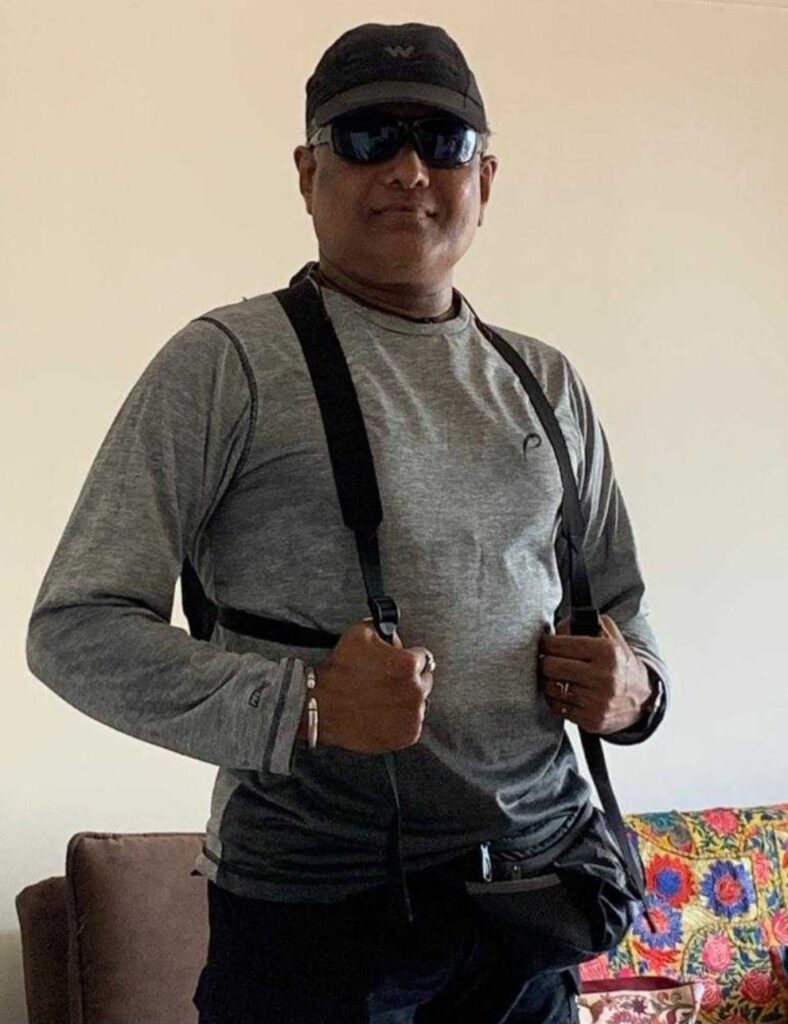
From Dreams of the Army to Journalism
Rajendar Menen reveals that journalism was never part of his original plans. Influenced deeply by his father, who served as an artillery officer in the British-Indian Army, Menen spent his childhood in cantonments and dreamt only of joining the armed forces. The memories of the 1965 Indo-Pak war and the loss of young officers he admired filled him with a strong desire to become a war hero.
However, fate intervened when a serious fall during trekking medically disqualified him from military training after he had successfully cleared the UPSC examination process for the armed forces. Distraught and uncertain about the future, he enrolled for a postgraduate course in Journalism in Madras (now Chennai).
What began as a temporary diversion slowly transformed into a calling. He discovered a natural flair for writing, developed a love for essays and long-form journalism, and eventually landed an opportunity with The Times of India in Bombay (now Mumbai). From there, his career expanded rapidly into sports journalism, international freelancing, editorial work and book writing.
Journalism: Power, Exposure and Emotional Cost
According to Menen, journalism offers unparalleled access to society. It allows one to meet people from all walks of life, understand power structures, observe corruption from close quarters and influence public opinion. He recalls a time before mobile phones and social media, when newspapers and magazines were the primary source of information and public discourse.
But the profession also carries dangers. Menen stresses that constant exposure to crime, corruption and suffering can leave journalists emotionally scarred or cynical. He believes it is important to remain grounded, disciplined and humble despite influence or public recognition.

Encounters from the Underworld
One of the most gripping moments in the interview is Menen’s recollection of an underworld don who repeatedly tried to win his favour for positive media coverage. The gangster allegedly offered him inducements, including an apartment anywhere in Mumbai, but Menen refused every offer.
In a tense encounter, the don reportedly revealed that dozens of journalists were already on his payroll. Menen bluntly told him that his name would never be included. Instead of reacting violently, the don embraced him and expressed admiration for his integrity, even offering him a job within his organisation. The incident left a lasting impression on Menen and highlighted the complex realities journalists often face.
Writing Beyond Journalism
Menen believes journalism and writing are deeply connected but fundamentally different disciplines. While reporters work under constant deadlines, books allow greater reflection, research and permanence. He considers books timeless compared to daily news reports that fade with the news cycle.
His transition into independent writing happened gradually when publishers encouraged him to author books. He found solitude, research and long-form writing suited his temperament perfectly. Over the years, he also became a prolific ghost writer, contributing to more than a hundred books and publications.
HIV/AIDS, Street Realities and Human Stories
A significant phase of Menen’s career revolved around HIV/AIDS awareness during the peak years of the epidemic in India. Working extensively with the government’s HIV/AIDS programme, he interacted closely with sex workers, migrant labourers and vulnerable communities.
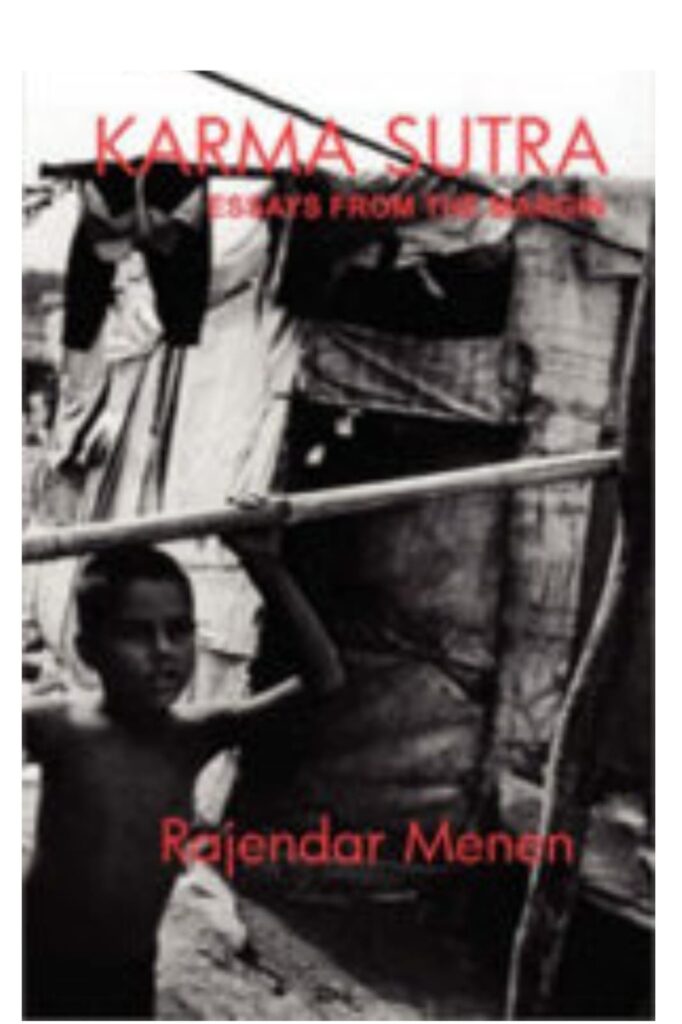
This exposure eventually led to books like Karma Sutra – Adventures of a Street Bum and Streetside – Encounters and Escapades. His writings explored prostitution, sexuality, urban loneliness, addiction, disease, abandonment and survival.
Menen describes street journalism as thrilling but emotionally exhausting. He admits that while the danger and unpredictability of the streets excited him, the emotional pain of listening to countless tragic stories left deep scars. He recalls being assaulted several times during fieldwork and says intense workouts, yoga and meditation became necessary for emotional detoxification.
Interest in Healing, Yoga and Spirituality
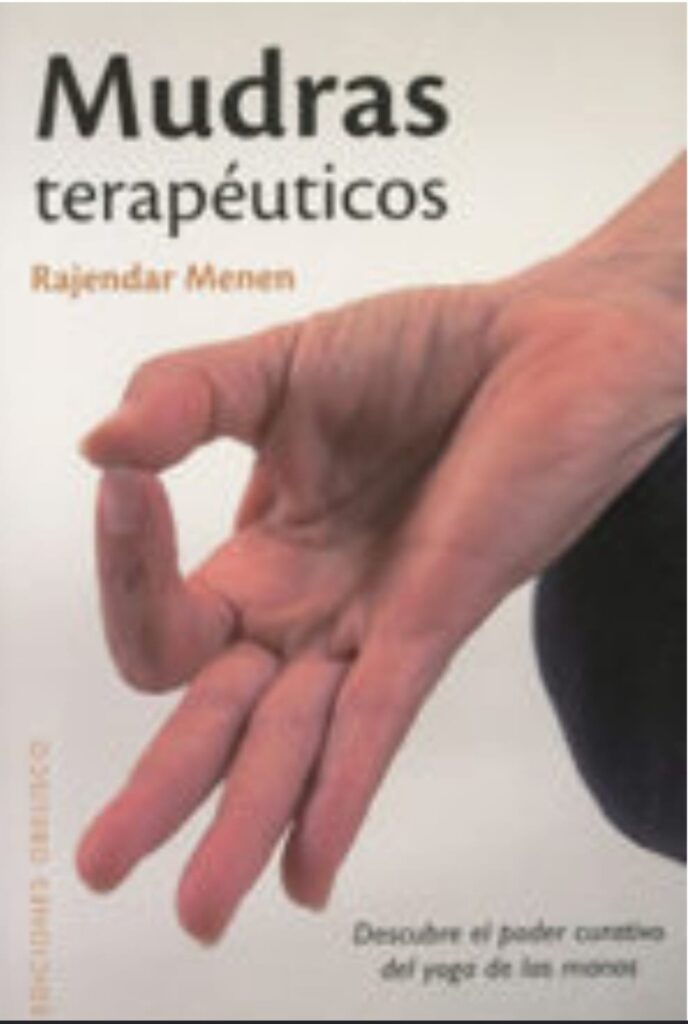
Apart from journalism, Menen developed a strong interest in healing sciences, natural therapies and spirituality. He has written books on subjects such as music therapy, mudras, magnet therapy, Vastu, Feng Shui and alternative healing practices.
A disciplined fitness enthusiast since childhood, he gradually shifted from aggressive physical training to yoga, stretches, breathwork and the Tibetan Rites. He credits these practices for helping him maintain mental clarity, emotional balance and concentration required for writing.
Rudraksha and Inner Transformation
Menen’s fascination with Rudraksha beads began unexpectedly nearly two decades ago. Though not ritualistic or temple-oriented, he says his experience with Rudraksha brought profound changes to his life. His curiosity eventually led him to write Rudraksha Power, aimed at dispelling misinformation and helping ordinary readers understand the spiritual and psychological dimensions associated with Rudraksha.
A Life of Curiosity and Observation
Menen says his greatest fascination is the human mind. He enjoys travelling to unusual places, interacting with strangers and observing life closely because every encounter reveals another layer of human behaviour. He deliberately maintains a low profile while travelling and researching, especially in sensitive environments, allowing people to speak openly to him.
He also explains why he modified the spelling of his surname from “Menon” to “Menen.” While freelancing for international media as a young journalist, he wanted a name that did not reveal caste or regional identity. He felt “Rajendar Menen” sounded more universal and distinctive.
Advice for Young Journalists
When asked what advice he would offer aspiring journalists, Menen emphasises the importance of reading extensively, travelling widely and stepping out of comfort zones. He says journalists must expose themselves to the realities of life, remain aware of current events and never stop observing society.
He also stresses that journalism carries immense responsibility and says the nation must always come first in a journalist’s thinking and work.
Heroes and Inspirations
Menen admits to being fascinated by underworld dons because of their psychological complexity, while also expressing deep admiration for soldiers guarding the nation’s borders, athletes who bring honour to the country and long-distance truck drivers who endure immense hardship.
Among writers and spiritual thinkers, he cites Gabriel García Márquez as one of the greatest literary influences. He also mentions Sri Aurobindo, The Mother, Osho and Sadhguru as personalities who added depth to his understanding of life and existence.
Living Without Regrets
Reflecting on his future plans and aspirations, Menen says he no longer makes rigid plans. Instead, he focuses on optimising each day, staying physically fit and continuing to write.
He says he carries no regrets about his life journey and views everything that happened to him — both struggles and achievements — as unexpected gifts. According to him, life has unfolded as a series of surprises, and he continues to live with gratitude for the forces that shaped and guided him.
The interview ultimately portrays Rajendar Menen as far more than a journalist or writer. He emerges as an explorer of human experience — someone shaped equally by the streets, spirituality, discipline, suffering and relentless curiosity.
An Interview with Rajendar Menen by Guru Vijay Shanker