

Sashikumar Nair has urged the administration to defer the proposed Thane Ring Rail Project until the city’s major ongoing infrastructure projects are completed and their impact on mobility is properly assessed.
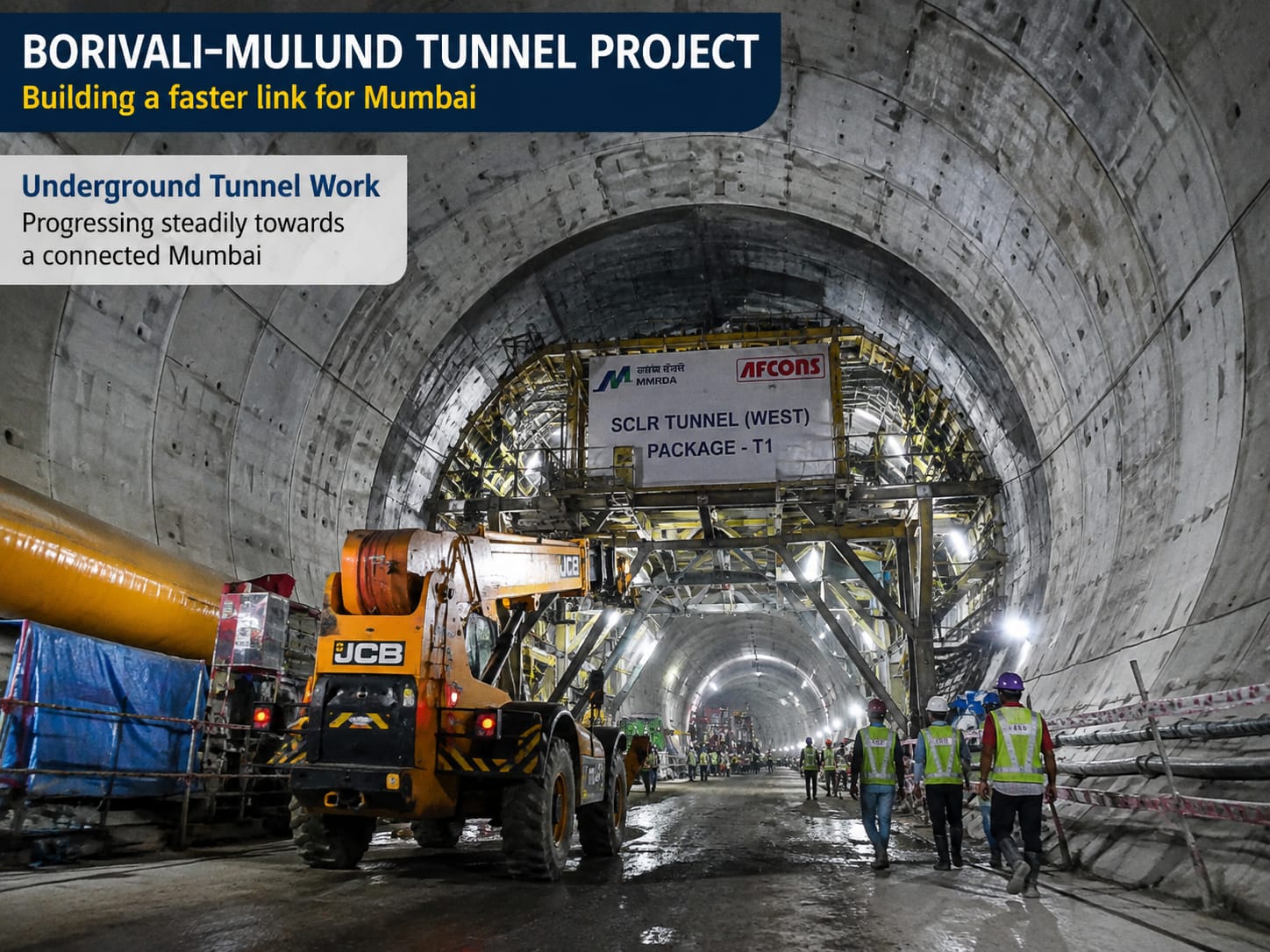
He said priority should be given to completing Metro Line 4, the Borivali Underground Link and the Ghodbunder Road decongestion project before taking up another major rail infrastructure project.
According to Nair, only after these projects become operational will the authorities have a clearer understanding of Thane’s actual mobility requirements, traffic patterns, passenger demand and travel behaviour along the proposed Ring Rail corridor.
Key observations and recommendations
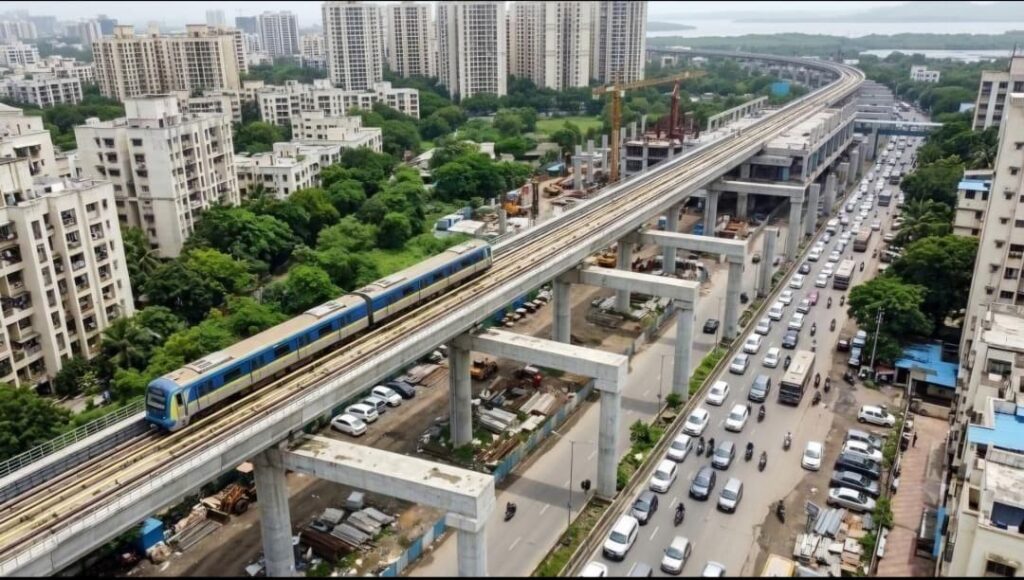
Complete Metro Line 4 first: Nair suggested that Metro Line 4 should be completed and made operational first, followed by a detailed assessment of its ridership and effectiveness before committing to another major rail project.
Lessons from Metro Line 3: He said the experience of Metro Line 3, particularly its lower-than-expected ridership, should be studied carefully. Large-scale public transport projects can achieve their intended objectives only when effective last-mile connectivity is available.
Consider Thane’s geography and travel patterns: Nair pointed out that Thane and its surrounding areas have developed largely through horizontal urban expansion. In such a geographical setting, fixed rail corridors alone may not always generate consistently high passenger demand.
Strengthen feeder bus services: Instead of immediately prioritising a Ring Rail system, he recommended introducing flexible and efficient feeder bus services connecting residential and commercial areas with Metro stations. Such services could operate at around 40–50 per cent of the frequency of Metro services while providing wider last-mile connectivity.
Learn from Singapore: Nair cited Singapore’s integrated public transport system as a useful model for Thane. He said the city could benefit from better coordination between Metro services, feeder buses and other modes of public transport to create a seamless and convenient network.
Nair emphasised that infrastructure development should be implemented in a phased manner, based on practical and comprehensive feasibility studies. He said authorities should first evaluate the performance of existing and ongoing projects, identify actual mobility gaps and then determine whether a Ring Rail system is necessary and viable for Thane.
He stressed that the objective should not merely be to create more infrastructure, but to develop an integrated, efficient and sustainable public transport system that genuinely meets the needs of Thane’s growing population.