
“The Street Beat Takes a Heavy Toll”
Rajendar Menen has authored books on healing, Indian street life, and Rudraksha, including the bestseller Karma Sutra – Adventures of a Street Bum. He has edited HIV/AIDS journals, written extensively on social issues, freelanced for leading international media organizations, and ghostwritten over 100 books. In this interview with dancer and art critic Vijay Shanker, he reflects on his journey as a journalist and writer.
Did you always want to become a journalist?
No. My dream was to join the army. My father served in the British-Indian Army, and growing up in cantonments inspired me to pursue a military career. After clearing the UPSC exam for the armed forces, I suffered a serious trekking accident and was medically disqualified.
To pass time, I enrolled in a postgraduate journalism course in Chennai. I enjoyed the creative environment, discovered my love for writing, and began reading newspapers seriously. Later, I applied for a trainee journalist position at The Times of India, got selected, and began my career. I eventually became Sports Editor of Youth Times, worked as a yachting correspondent, joined The Daily, and started freelancing internationally. Opportunities unfolded in ways I had never imagined.
What are the advantages and disadvantages of journalism?
Journalism allows you to meet people from all walks of life, gain unique insights, and influence public opinion. During the pre-digital era, newspapers and magazines were powerful sources of information.
The downside is that constant exposure to corruption and power can make journalists cynical, arrogant, or compromised. Staying grounded and humble is essential.
Any memorable experiences from your journalism career?
A notorious underworld don once tried repeatedly to buy favorable media coverage. He offered gifts, luxury, and even an apartment. I refused every offer.
One day, he showed me a notebook containing the names of journalists on his payroll and remarked that my name was missing. Instead of threatening me, he hugged me and said his organization needed people with integrity. Though I expected retaliation, he continued to treat me with respect whenever we met.
Do you prefer being a journalist or a writer?
Both are connected. Journalism teaches discipline, deadlines, and observation. Every aspiring writer should spend time in a newsroom. While news stories are temporary, books endure and preserve ideas for future generations.
Why did you become an independent writer?
Publishers approached me about writing books, and I discovered that research and writing suited my personality. I enjoy solitude, reading, and exploring different subjects. Ghostwriting was also financially rewarding, allowing me to write extensively without being involved in publishing and marketing.
How do you choose your subjects?
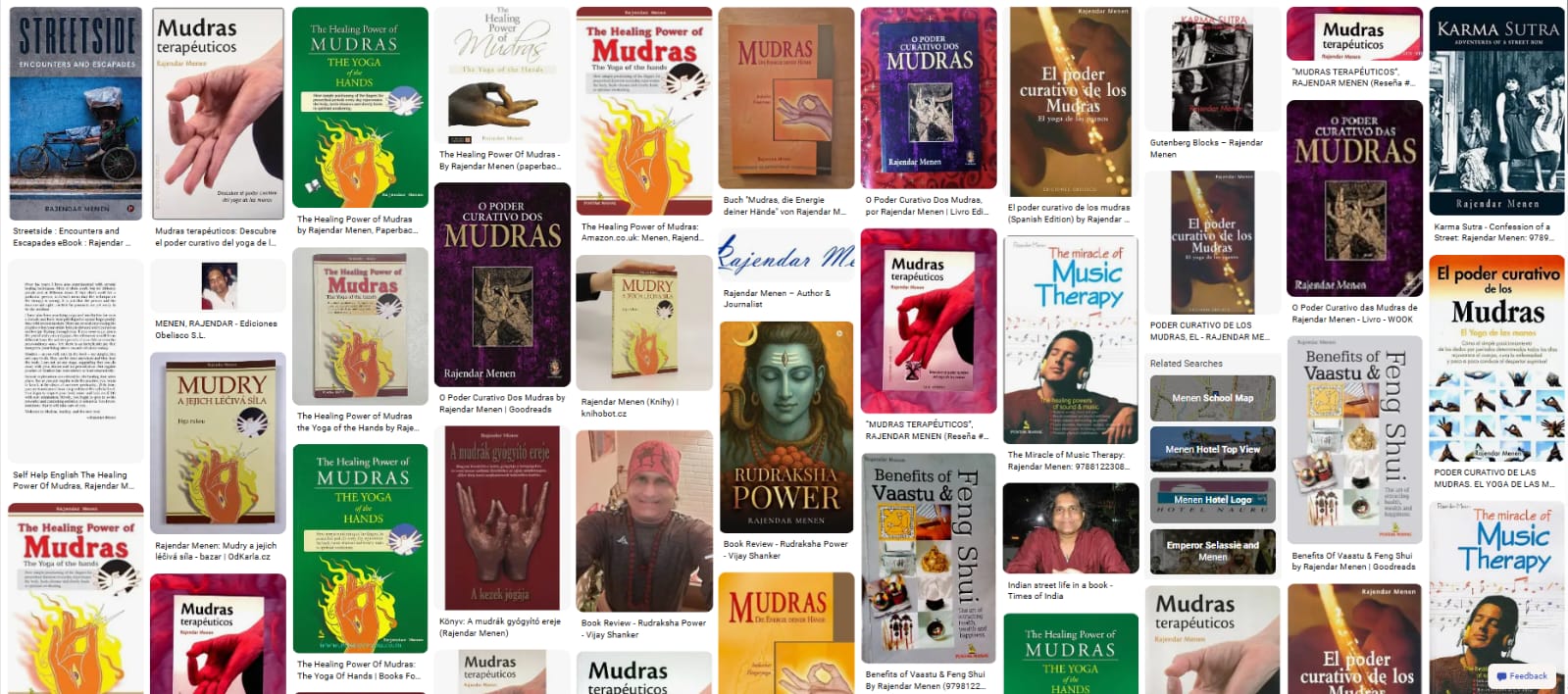
Much of my work emerged from my years in the HIV/AIDS program, where I interacted closely with sex workers, migrant laborers, truck drivers, and marginalized communities. These experiences led to books such as Karma Sutra and Streetside.
My healing books grew from personal interest and research into alternative health practices. Other projects arose through collaborations, including works on motherhood, nature cure, trafficking, and gypsy communities in India and Europe.
I usually choose a topic, conduct extensive research and fieldwork, and then write. Once the research is complete, the writing itself is relatively easy.
What challenges did you face while covering prostitution and street life?
The street beat was exciting but dangerous. I was assaulted, beaten, stripped, and often had to run for my safety. Female colleagues sometimes provided unexpected protection because brothel owners and pimps treated them respectfully.
More difficult than the physical danger was the emotional burden. Listening to thousands of painful life stories required constant self-reflection. Intense exercise, yoga, meditation, and discipline helped me cope.
How do you stay interested in such varied subjects?
I spend most of my time reading, researching, and writing. Publishers often suggested topics such as music therapy, mudras, magnet therapy, Vastu, Feng Shui, and natural healing.
However, my greatest fascination is the human mind. I enjoy meeting strangers and observing people. Many of my books are built on these interactions and observations.
How has yoga helped you?
Fitness has always been important to me. Over time, I moved from intense physical training to a balanced routine that includes Tibetan Rites, yoga, stretching, breathwork, walking, and healthy eating.
Writing requires focus and concentration, and this routine helps maintain both physical and mental well-being.
How did Rudraksha enter your life?
Although I am not particularly religious, I became interested in Rudraksha around twenty years ago after experiencing what I felt were positive changes from wearing a 5 Mukhi bead.
As more people approached me with questions and misconceptions about Rudraksha, I decided to write Rudraksha Power to provide clear information for ordinary readers.
Why do you spell your surname as “Menen” instead of “Menon”?
While freelancing for international media, I wanted a name that did not immediately reveal my caste or nationality. I simply changed the “o” in Menon to an “e,” creating the byline “Rajendar Menen.”
What advice would you give young journalists?
Read extensively, travel widely, observe life closely, and take risks. Stay informed, step out of your comfort zone, and remember the responsibility that comes with shaping public opinion.
Who are your heroes?
I admire members of the armed forces, successful athletes, long-distance truck drivers, and even underworld dons as subjects of fascination. Among thinkers and writers, I greatly respect Gabriel García Márquez, Sri Aurobindo, The Mother, Osho, and Sadhguru.
Any future plans or regrets?
I do not make elaborate plans. I focus on making the most of each day, staying fit, and continuing to write. I have no regrets and view life as a series of unexpected gifts and blessings.
– Guru Vijay Shanker