
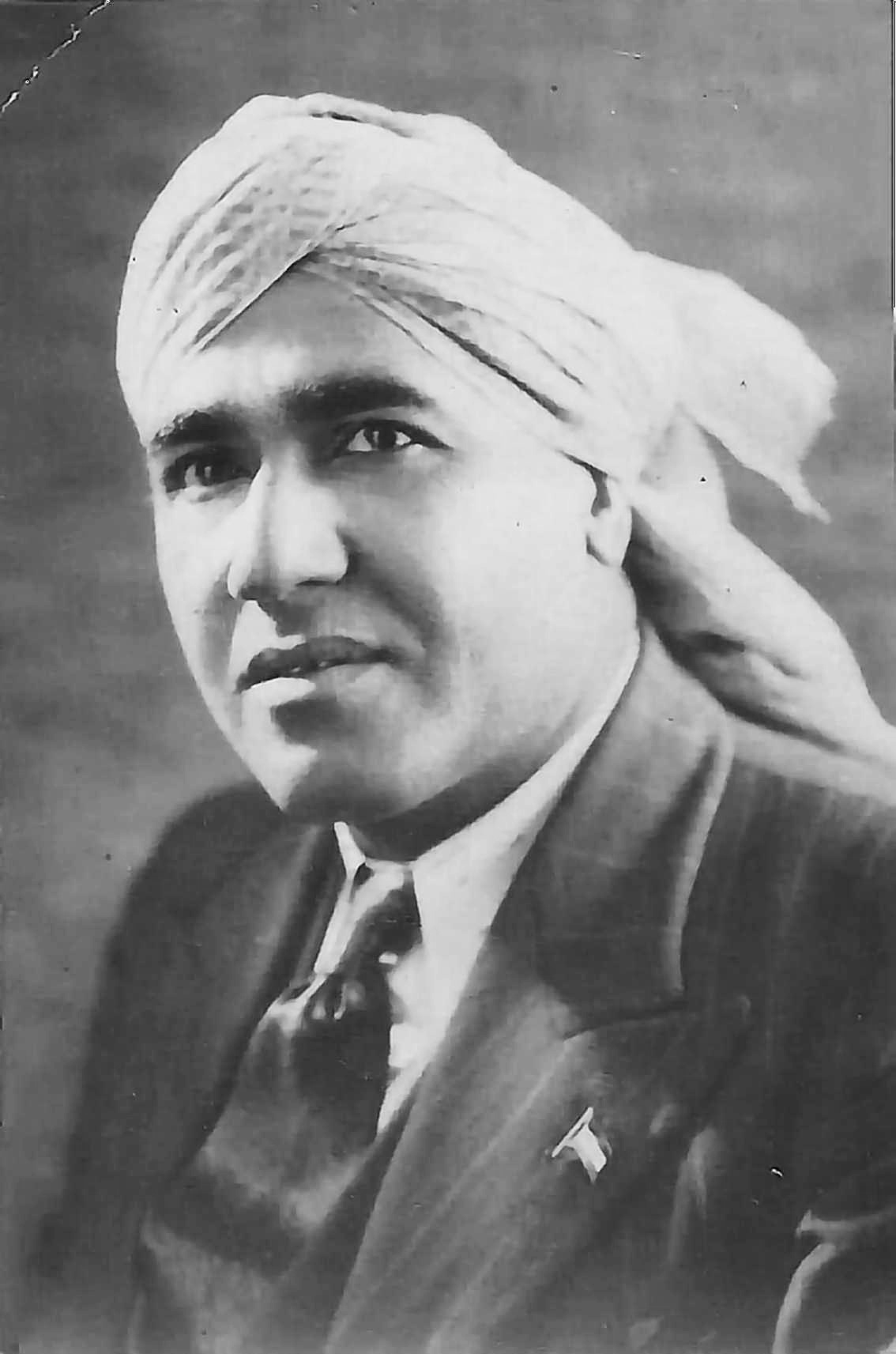
The Blood-Soaked Dust of Amritsar: April 13, 1919
On the morning of Baisakhi in 1919, the sun over Amritsar rose like a globe of molten brass, casting a scorching orange glare across the dusty plains of Punjab. The air was thick with the scent of blooming mustard fields, fresh wheat, and the nervous anticipation of a populace yearning for freedom from imperial tyranny. Thousands of unarmed men, women, and children—Hindus, Sikhs, and Muslims alike—gathered inside the high-walled enclosure of Jallianwala Bagh to peacefully protest the draconian Rowlatt Act and the arrest of popular leaders Dr. Saifuddin Kitchlew and Dr. Satyapal.
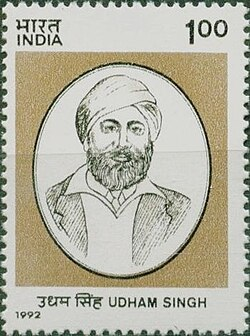
Among the crowd stood a twenty-year-old orphan named Udham Singh. Born in Sunam, Punjab, in 1899 and raised in the Central Khalsa Orphanage after losing his parents at an early age, Udham was serving water to the parched gathering. As the afternoon heat reached its oppressive peak, the sky suddenly turned dark—not with rain clouds, but with an ominous, suffocating gloom. Without warning, Brigadier-General Reginald Dyer marched ninety imperial troops through the narrow, suffocating entrance of the enclosure. The heavy iron gates slammed shut, sealing off the only exit. No warning was given. No order to disperse was voiced.”Fire!” Dyer commanded.
For twenty terrifying minutes, the sky shattered into a roaring inferno. 1,650 rounds of ammunition tore through human flesh. The peaceful ground erupted into a brutal abattoir. Desperate mothers jumped with their infants into the narrow mouth of the deep well; men threw themselves against thirty-foot brick walls as high-velocity bullets turned plaster and bone into dust.
When the smoke cleared, the quiet evening breeze carried only the horrific groans of the dying and the stench of copper and iron. Over a thousand lay dead; thousands more lay bleeding in the dark, helpless under a martial law curfew that strictly forbade anyone from bringing medical aid.
That night, amidst the silent, blood-soaked dirt, young Udham Singh knelt over the lifeless bodies. He scooped a handful of soil, damp with the blood of his countrymen, into a small glass vial. In the shadow of that unspeakable horror—sanctioned by Sir Michael O’Dwyer, then the Lieutenant Governor of the Punjab—Udham Singh swore a solemn, quiet oath: he would not rest until justice was visited upon the architect of this slaughter.
The Lone Pilgrim: Two Decades Across the Globe
Udham Singh’s path of vengeance was not a fiery burst of rage, but a cold, disciplined pilgrimage spanning twenty-one grueling years. To evade imperial intelligence networks, he moved across the world under multiple aliases—working as a carpenter, a sailor, a mechanic, and a laborer.
From the docks of East Africa to the factories of the United States, from the freezing steppes of the Soviet Union to the streets of Western Europe, he carried the soil of Amritsar close to his chest. Along his journey, he drew inspiration from the radical ideology of Bhagat Singh and the Ghadar Party, recognizing that colonial rule rested on psychological intimidation and brute force.
| Year | Milestone & Geographic Trajectory | Key Historical Context |
|---|---|---|
| 1919 | Amritsar, Punjab | Survives Jallianwala Bagh massacre; swears oath of retribution. |
| 1924 | United States & East Africa | Joins Ghadar Party networks; organises anti-colonial diaspora. |
| 1927 | Return to India | Arrested in Amritsar with unlicensed arms and radical literature; serves 5 years in prison. |
| 1934 | London, England | Arrives in the heart of the British Empire using the alias Frank Brazil. |
| 1940 | Caxton Hall, London | Executes Sir Michael O’Dwyer on March 13; surrenders immediately. |
In 1934, he finally arrived in London. He rented a modest room, bought a secondhand motorcycle, and spent years tracking the movements of Sir Michael O’Dwyer, who lived comfortably in the English countryside, publicly defending the massacre as a necessary measure to preserve the Empire.
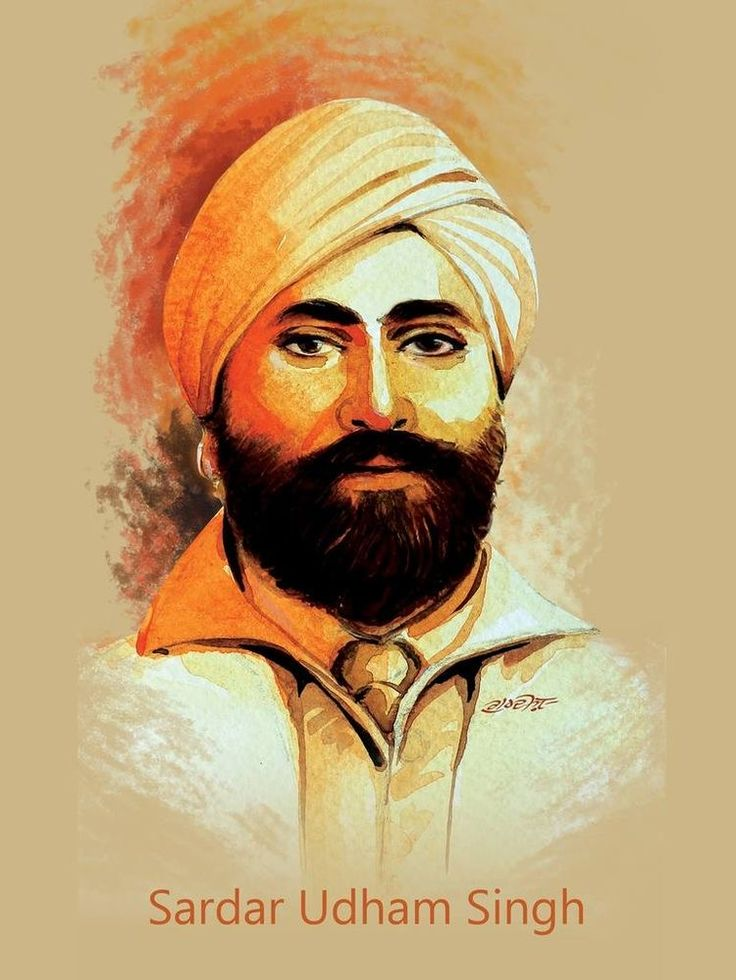
The Thunderclap at Caxton Hall: March 13, 1940
On Wednesday, March 13, 1940, London was blanketed in a biting, sulfurous fog. War had broken out in Europe, and air-raid sirens hummed in the distance. Inside Caxton Hall, a joint meeting of the East India Association and the Royal Central Asian Society was underway.
Sir Michael O’Dwyer stood at the podium, speaking in defense of British administration in India. Udham Singh sat quietly near the back of the auditorium, wearing a sharp trench coat. Hidden inside his pocket was an overcoat heavy with purpose: a .45 caliber revolver concealed inside a hardcover book, its pages meticulously carved out in the exact shape of the firearm.
As the meeting concluded and the crowd stood up to applaud, Udham Singh strode down the center aisle with absolute composure. The atmosphere in the hall grew tense as he closed the distance.
With unwavering precision, he drew the revolver and fired two rounds point-blank into Sir Michael O’Dwyer. O’Dwyer collapsed instantly, dying on the floor of Caxton Hall. Two other high-ranking officials, including Lord Zetland, were wounded in the crossfire.
Udham Singh made no attempt to flee, drop his weapon, or blend into the panicked crowd. As security forces rushed toward him, he stood tall, held out his arms, and quietly yielded.
“I did it because I had a grudge against him. He deserved it. He was the real culprit. He wanted to crush the spirit of my people, so I have crushed him.” — Udham Singh, upon his arrest at Caxton Hall
The Gallows at Pentonville: July 31, 1940
During his trial at the Old Bailey, Udham Singh refused to ask for leniency or express regret. When asked for his name by the magistrate, he gave a name that transcended religious and regional divisions:
This name united the major communities of India (Ram for Hindus, Mohammad for Muslims, Singh for Sikhs) under the banner of ultimate liberation (Azad).
He went on a 42-day hunger strike in prison, protesting the treatment of political prisoners. Despite international pressure and the chaotic backdrop of World War II, the court sentenced him to death.
On July 31, 1940, as rain slicked the grey stone courtyard of London’s Pentonville Prison, Udham Singh walked calmly to the gallows. He was forty years old. With the soil of Jallianwala Bagh symbolically resting in his heart, the noose was placed around his neck. He died with a smile, fulfilling a promise made twenty-one years earlier.
Sympathetic Gratitude and Eternal Legacy
Shaheed Udham Singh’s sacrifice was not merely an act of retribution; it was a profound assertion of national dignity. He demonstrated to an oppressive empire that the lives of innocent citizens could not be extinguished without accountability.
In 1974, thirty-four years after his execution, his sacred ashes were repatriated to India and received with full state honors. Today, his story stands as an immortal pillar of selfless devotion, reminding generations that true heroism lies in standing up against injustice, no matter how formidable the oppressor or how long the road to justice may be.
Jai Hind !
-Col Prof Dr Kavumbayi Janardhanan, Veteran