
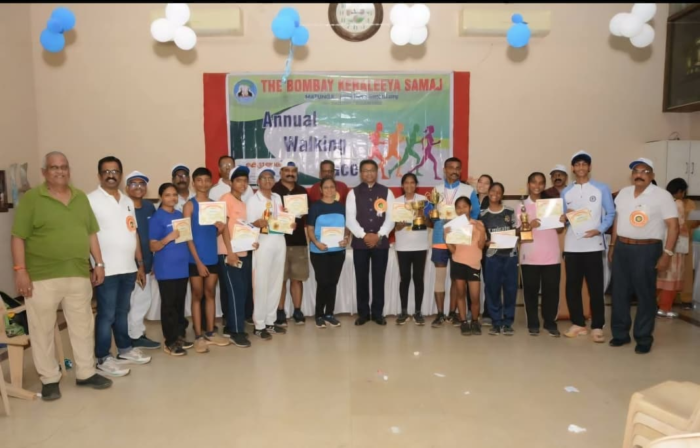
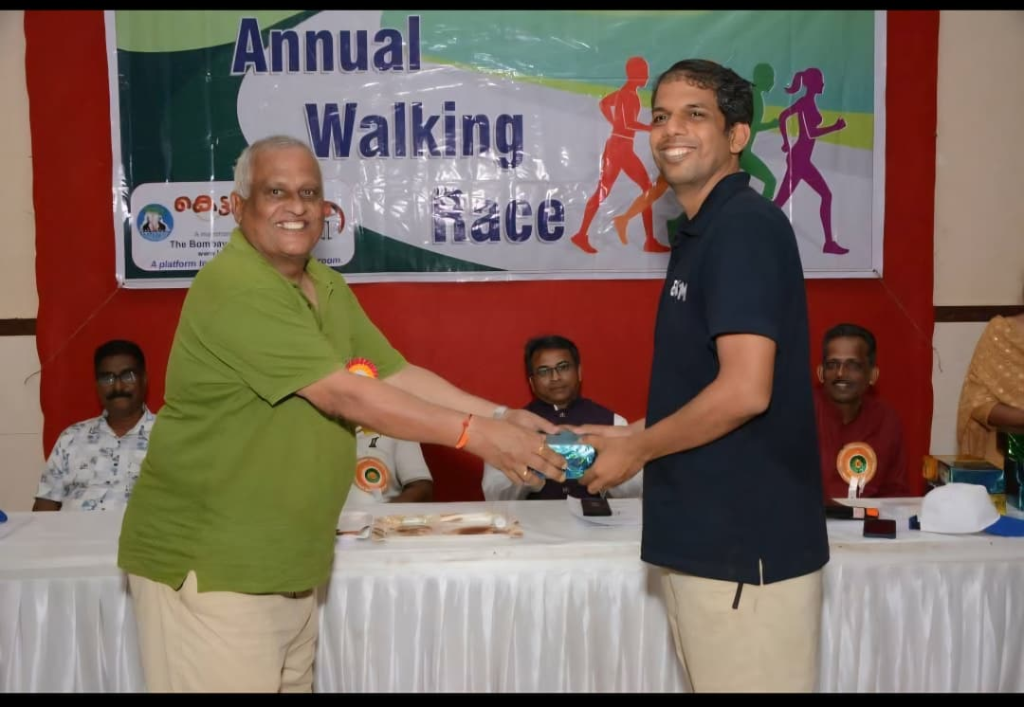
Mumbai: One of the oldest and most respected Malayali associations in the city, Bombay Keraleeya Samajam (BKS), recently conducted its much-awaited annual Walking Race Competition, an event that has now grown into a popular fixture in Mumbai’s community calendar.
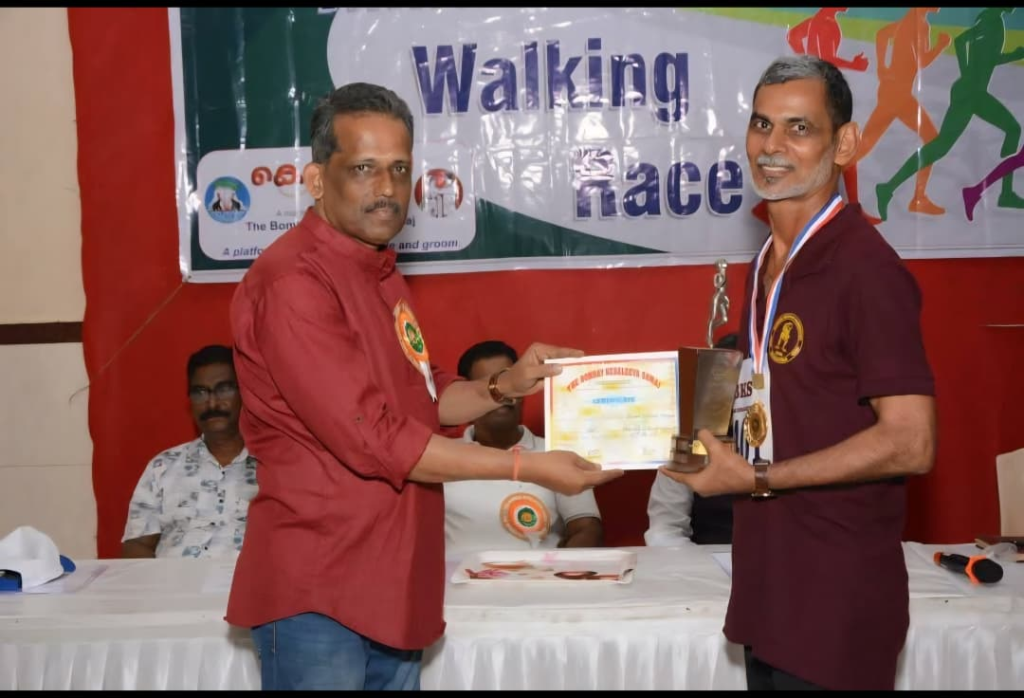
Organised every year with remarkable consistency, the walking race has evolved beyond being just a sporting event. It has become a symbol of unity, health awareness, and community bonding. What stands out is the enthusiastic participation not only from Malayalis but also from members of other communities, reflecting the inclusive and progressive spirit that defines the Mumbai Malayali identity.
Participants across age groups — from senior citizens to youth and families — took part in the event, making it a vibrant gathering that promotes both physical fitness and social interaction. Over the years, the walking race has strengthened bonds within the community while also opening doors for wider social participation.
However, the strength of Bombay Keraleeya Samajam does not lie in a single annual programme. The Samajam has consistently demonstrated that a community organisation must remain active throughout the year to stay relevant and meaningful.
Among its regular initiatives are the Akshara Sloka Malsaram, which nurtures Malayalam language and literary appreciation among children and youth, and monthly musical programmes that provide an open platform for anyone interested in singing. These music gatherings have become a cultural space where hidden talents are discovered and encouraged without barriers. In addition, the Samajam conducts a grand and well-organised Onam celebration along with various other social and cultural programmes.
At a time when many Malayali Samajams across Mumbai limit their activities to an annual Onam celebration alone, organisations like Bombay Keraleeya Samajam stand apart for their sustained engagement. While Onam remains the most important festival of Malayalis, a Samajam’s responsibility should extend beyond a once-a-year gathering.
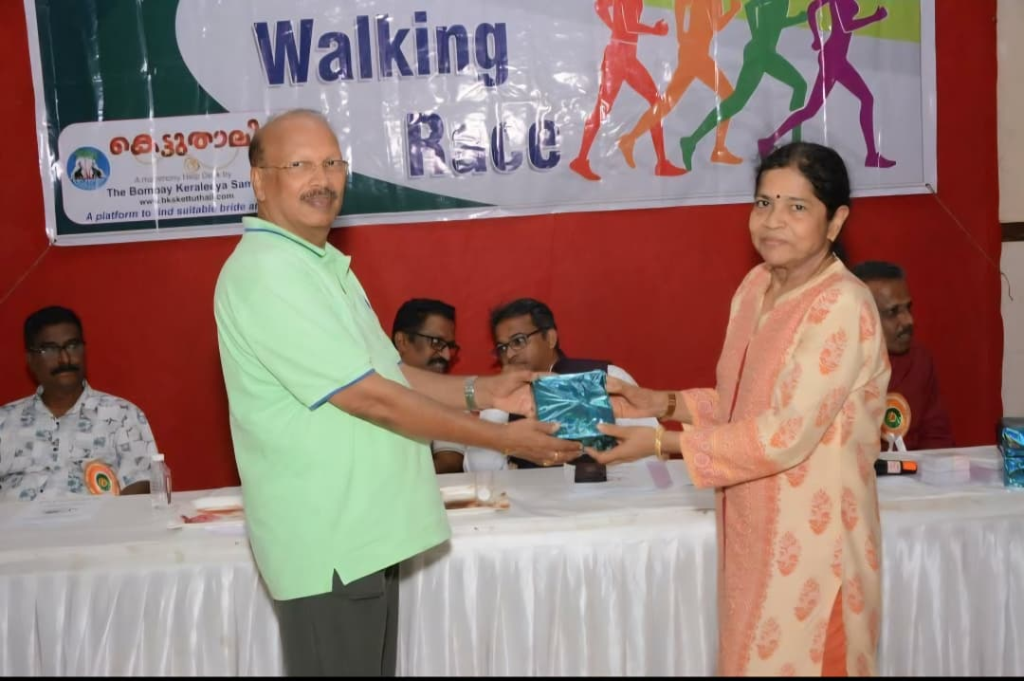
Several active organisations in Mumbai and its suburbs — including Nerul Samajam, Dombivili Samajam, Mulund Samajam and Borivili Samajam — have similarly shown that consistent programming and inclusive participation are essential to maintaining strong community ties.
A growing concern within the Mumbai Malayali community is the gradual distancing of second and third generation Malayalis from organised cultural platforms. Many young people born and brought up in Mumbai often feel less connected to traditional associations due to limited engagement opportunities. Regular activities such as sports events, literary competitions, cultural workshops, music platforms, and social service initiatives can play a crucial role in bridging this gap.
Community organisations must evolve with changing times. They must create spaces where young members feel welcomed, valued, and empowered to contribute. Only then can the rich cultural heritage of Kerala continue to flourish in Mumbai.
The example set by Bombay Keraleeya Samajam and other active associations serves as a reminder that a Samajam should not merely be a venue for an annual Sadhya, but a dynamic institution that connects generations and keeps the Malayali spirit alive in the Maximum City.
Kerala in Mumbai appreciates and acknowledges the sustained efforts of such organisations that continue to strengthen the social and cultural fabric of Mumbai Malayalis.